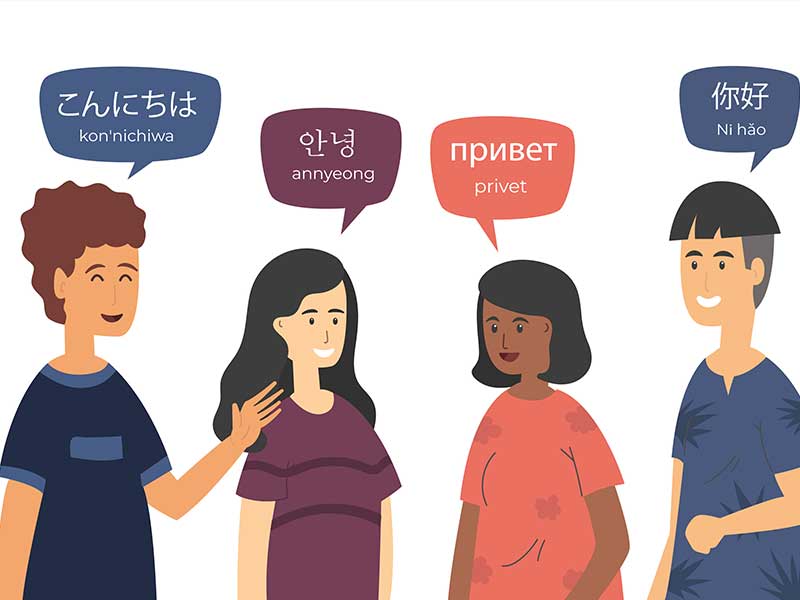
The Japanese language is called nihongo by native speakers; likewise, the country is known in Japanese as Nihon or Nippon. Japanese is the primary language of Japan and functions as the nation’s de facto national language, but it is also spoken by communities outside the country.
Unlike tonal languages, Japanese does not use pitch to distinguish word meaning, though it does have its own rhythm and cadence. Listening to authentic speech is the best way to internalize that natural flow.
Although Japanese uses kanji characters imported from Chinese the language is not genetically related to Chinese. Japanese remains linguistically distinctive and is widely regarded as one of the world’s most unique languages.
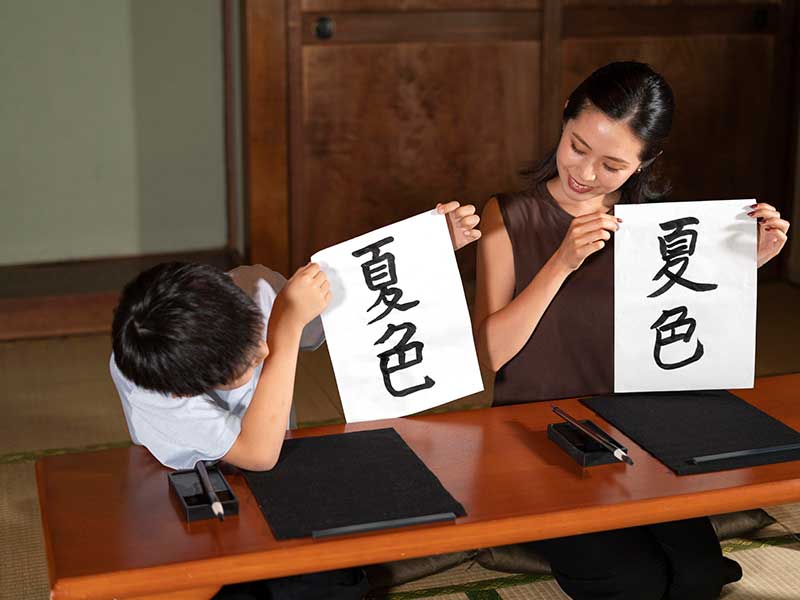
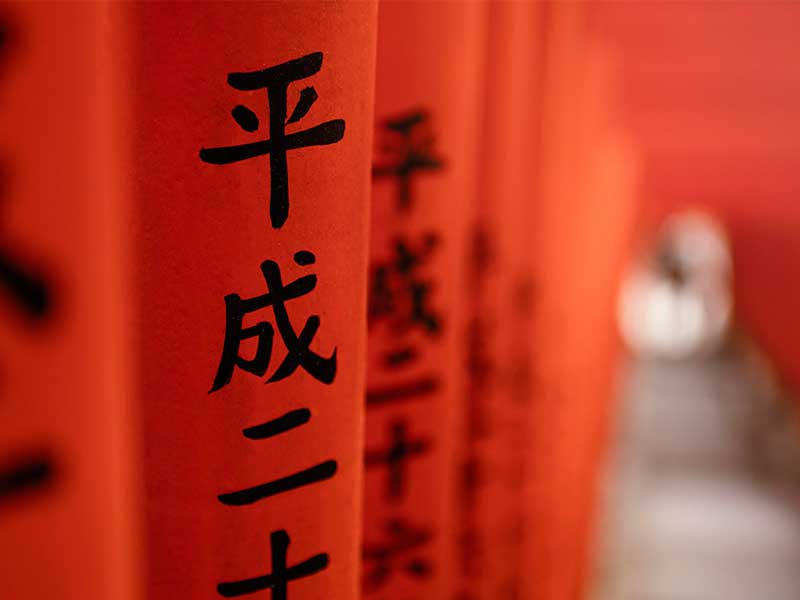
Japanese writing combines three systems: hiragana, katakana, and kanji, each with a distinct appearance and specific uses in writing.
Japanese uses a compact, regular sound system, so getting basic pronunciation right is often quick for new learners. The main challenge is the pitch accent and the language’s rhythm not as hard as learning tones in Chinese, but something you’ll improve with listening and speaking practice.
Japanese doesn’t have gendered articles and often skips plural markers, so you won’t be memorizing as many tricky noun forms. Most verbs and adjectives conjugate consistently—there are just a handful of irregulars (for example, する and くる)—so learners typically find the grammar easier to pick up with practice.
In Japanese, how you speak depends on who you’re talking to. You’ll use polite, honorific language with elders or superiors, casual speech with friends, and more intimate expressions with family each relationship calls for a different tone.
© 2025 Hikari Center | Design and Development : Ninad Web Tech WhatsApp us